

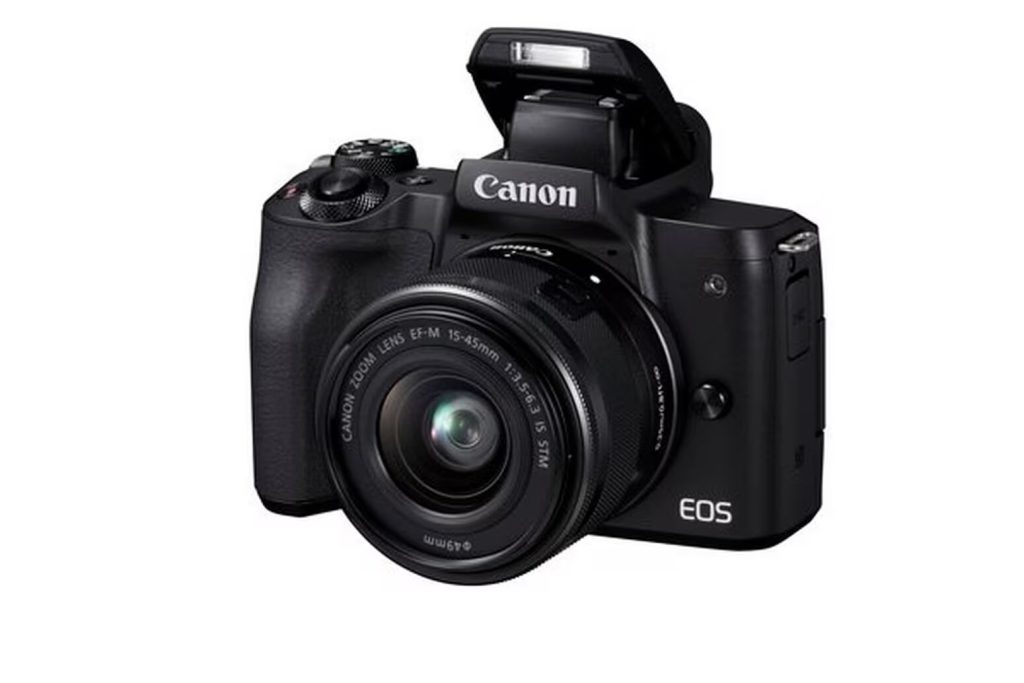
Canon M50 Guide (EOS M50)
This hub collects the most useful Canon EOS M50 setup answers and buying guidance on DSLRad. If you’re using the newer body, also see the Canon M50 Mark II guide.
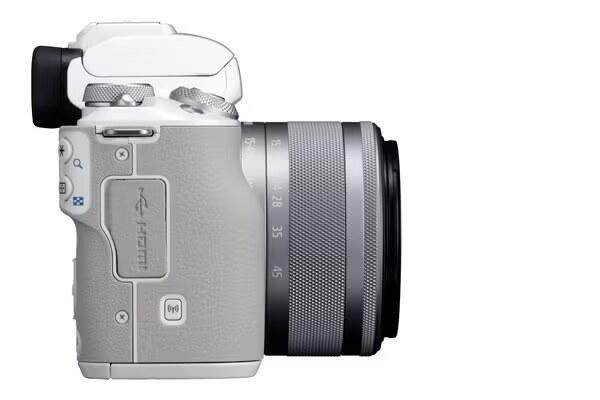
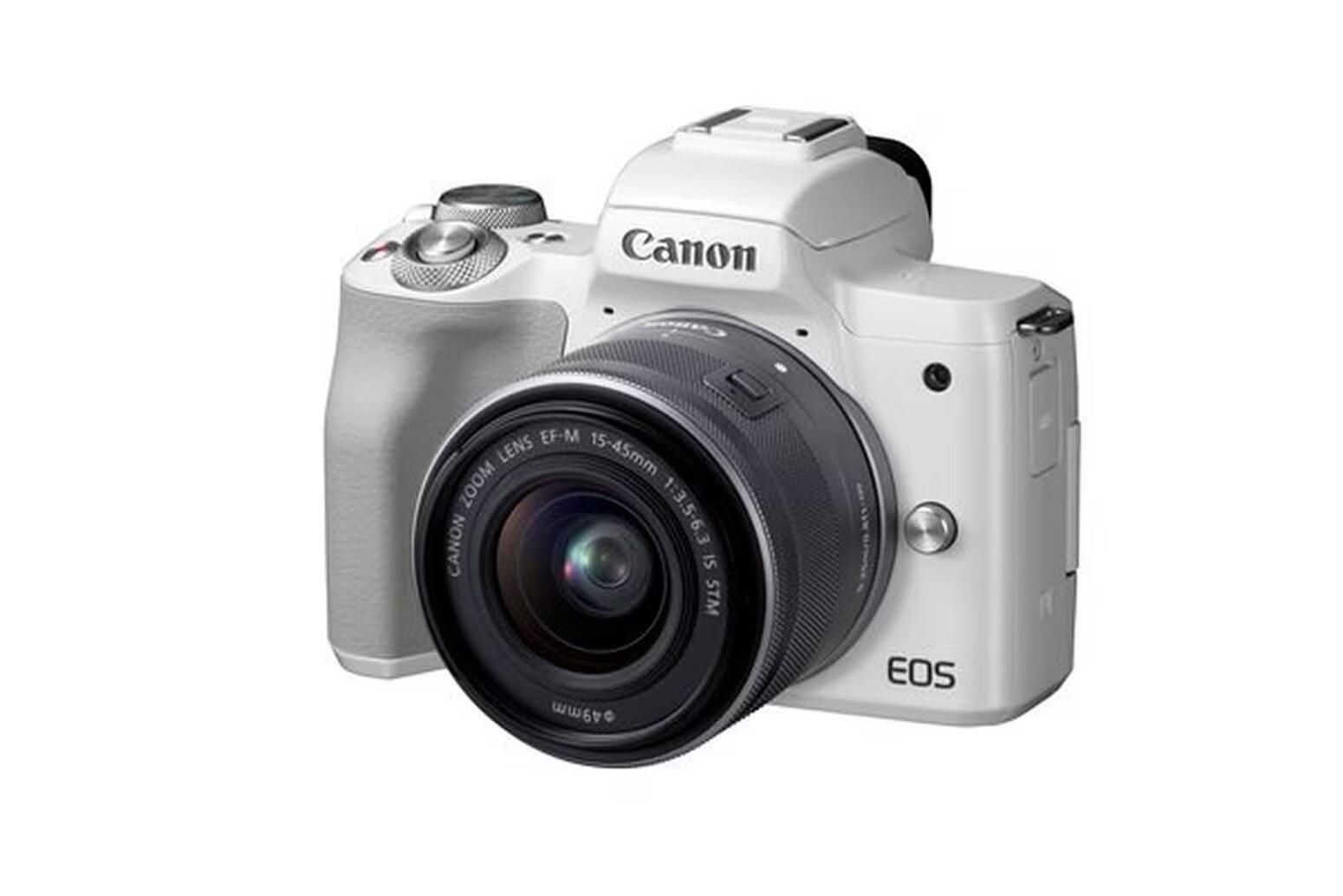
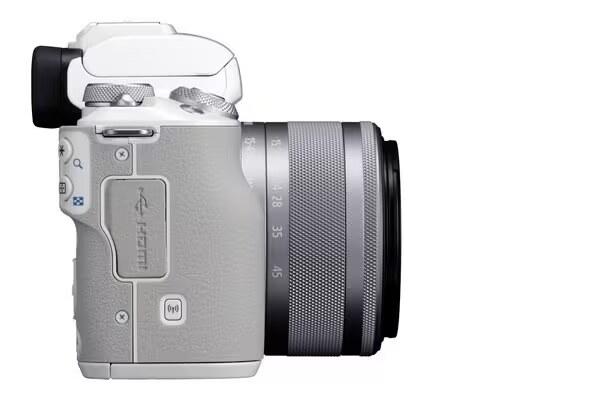
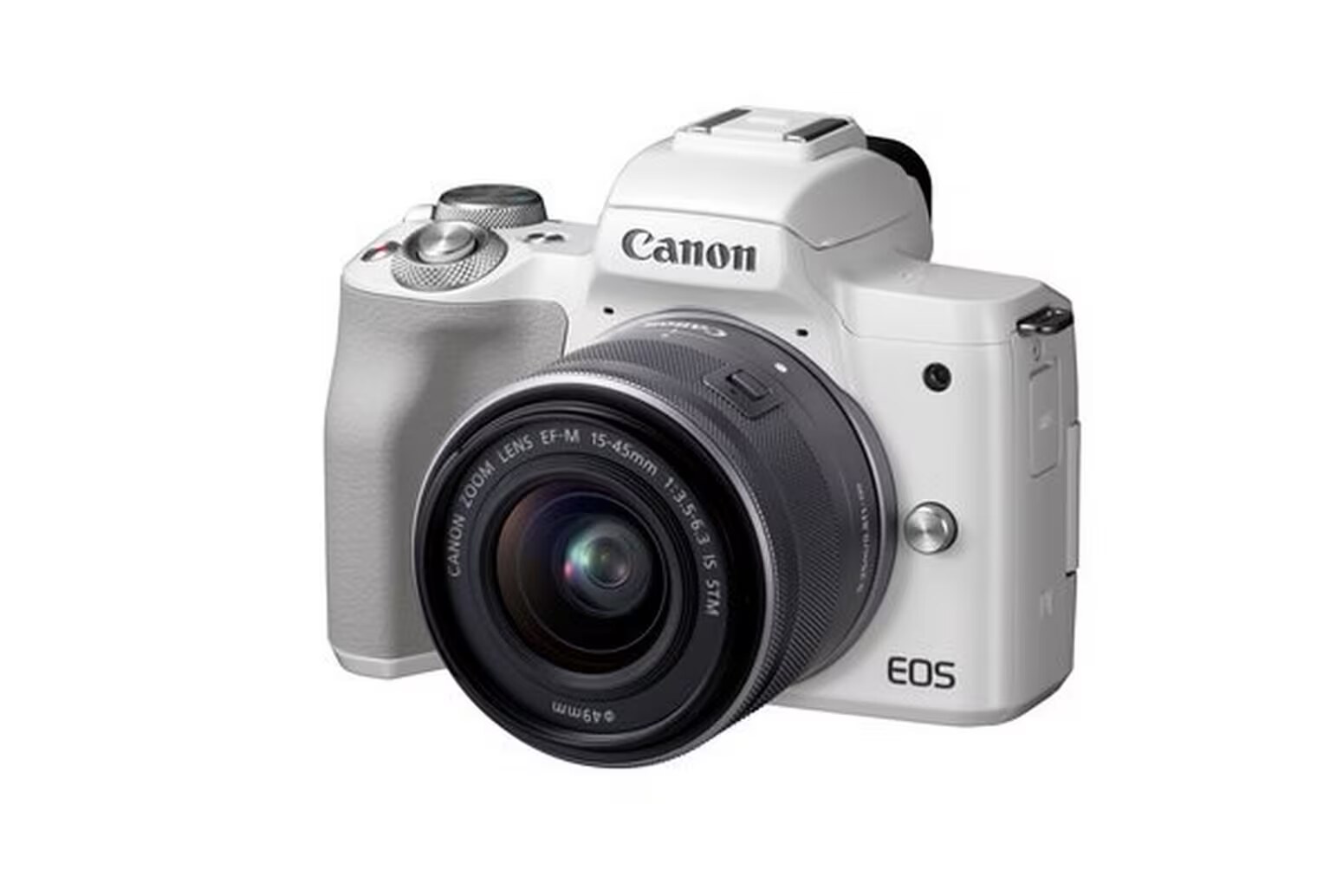
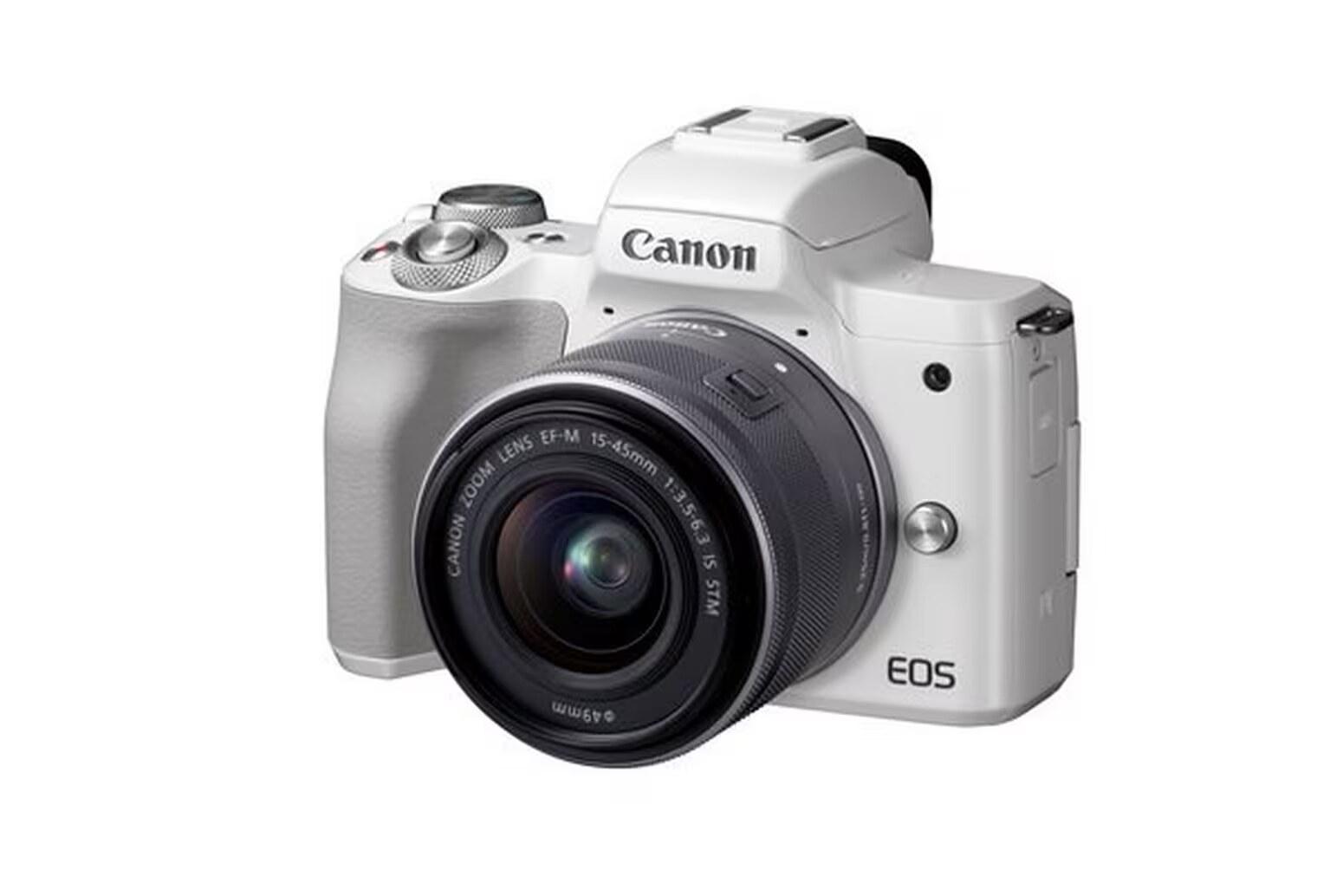
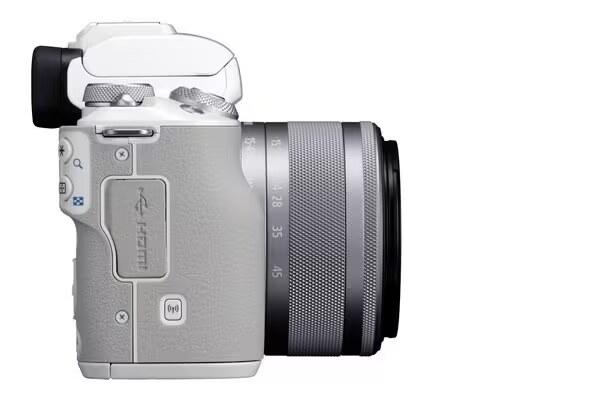
Canon M50 at a glance (Canon-sourced)
- Sensor: APS‑C (approx. 22.3 × 14.9 mm)
- Effective resolution: approx. 24.1 MP (total pixels approx. 25.8 MP)
- Processor: DIGIC 8
- Lens mount: Canon EF‑M (EF/EF‑S via EF‑EOS M adapter)
- Cards: SD / SDHC / SDXC; UHS‑I supported
- Video headline: 4K up to 24p; 1080 up to 60p; 720 up to 120p
Recommended SD cards (photos vs video)
Photos + casual video
- Minimum (Canon): UHS‑I supported (SD/SDHC/SDXC)
- Buy: UHS‑I U3 / V30 SDXC, ideally 64–128GB
- Notes: UHS‑II won’t buy much here because the camera supports UHS‑I
Video (longer sessions)
- Buy: 128GB is the safer pick if you plan to record longer clips
- Notes: this camera wants a good UHS‑I card, not an expensive flagship card
Canon M50 profile snapshot
- Who it suits best: beginners, casual hybrid shooters, and vloggers who want a small interchangeable-lens camera without moving into a bigger body.
- What defines it: compact EOS M body, APS-C sensor, flip screen, and creator-friendly handling, but an older EF-M mount system and more limited long-term upgrade path than RF.
- Bottom line: the M50 still makes sense when size and ease matter more than system future-proofing.
This gives the guide the same practical model-positioning value the old camera-profile page tried to provide, but in a stronger owner page.
Quick links (Canon M50)
- Canon M50 specs (practical spec sheet)
- Canon M50 video specs
- Canon EOS M50 mirrorless camera kit review
How to use this guide
- Choosing settings for video: start with the video specs page, then confirm your SD card choice.
- Buying used: start with the specs page and pay attention to battery life + ports.
