

If you came here looking for the best gimbal for a DSLR, the short answer is this: the best choice is the smallest gimbal that can reliably balance your actual camera and lens, not the one with the biggest payload number on the box.
Quick picks
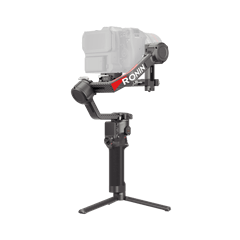
Best overall for serious DSLR setups
DJI RS 4 Pro
Best if you shoot with a full-frame DSLR, fast zoom, or event-video setup and want the safest compatibility headroom in this group.
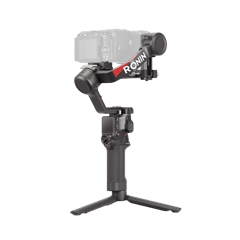
Best value for standard DSLR and mirrorless kits
DJI RS 4
The sweet spot for buyers using a standard zoom or prime who do not need pro-class bulk.
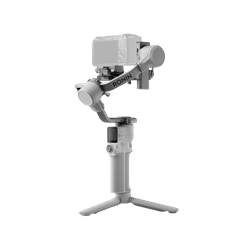
Best for travel and light setups
DJI RS 4 Mini
Excellent for mirrorless cameras and some light DSLR setups, but not the right answer for a heavy DSLR with a fast zoom.
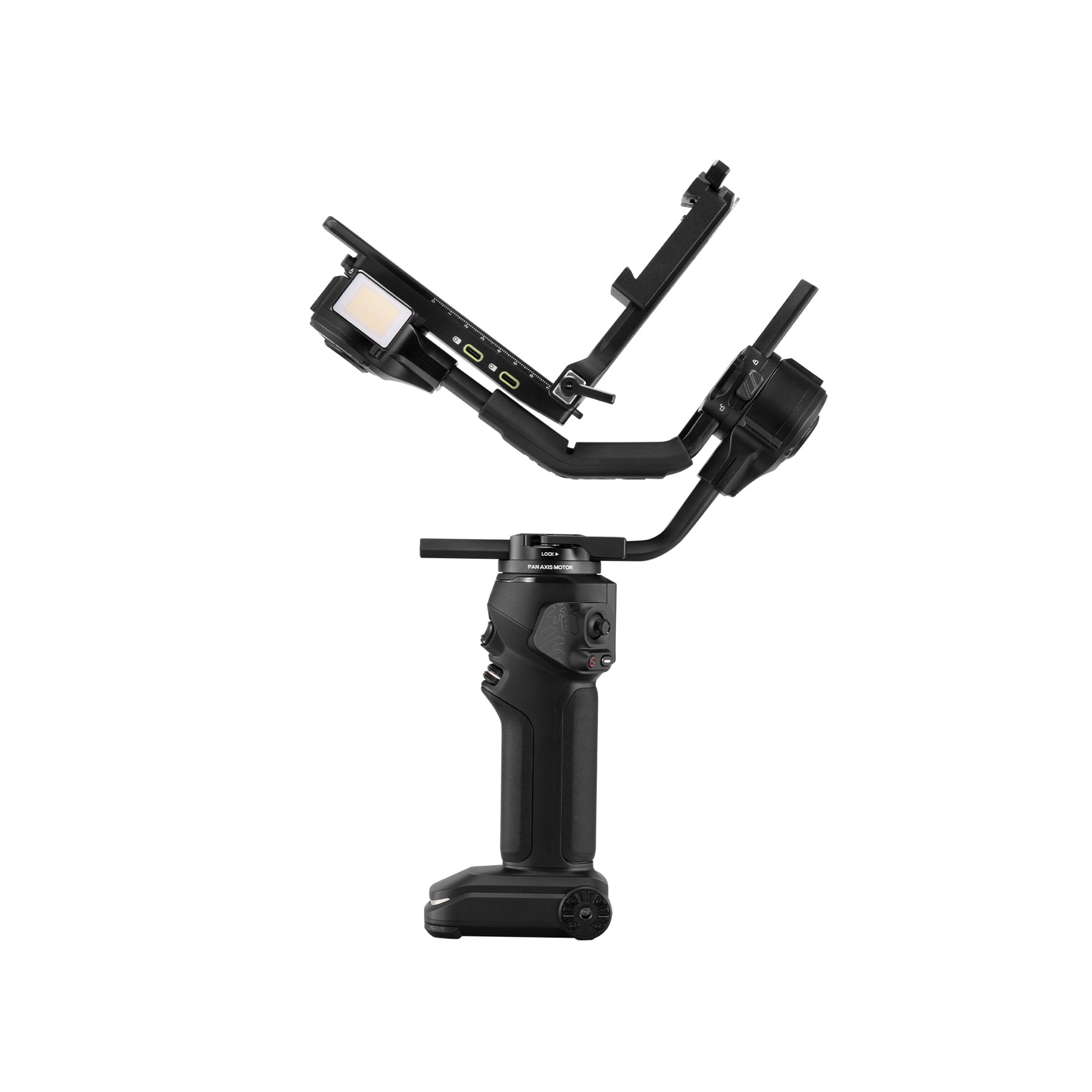
Best non-DJI pro alternative
Zhiyun Crane 4
A strong option if you want more payload headroom and prefer Zhiyun ergonomics.
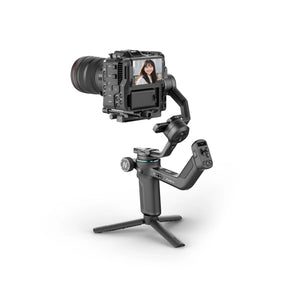
Best budget DSLR-capable option
FeiyuTech SCORP-C2
A good budget pick if you want to spend less than DJI or Zhiyun while still getting a modern feature set.
DSLR gimbal terms in plain English
- Payload capacity is a starting point, not a promise that every camera and lens under that number will balance well.
- Real-world balancing depends on camera size, lens length, weight distribution, cage accessories, and arm clearance.
- Axis locks make transport and setup easier, but they do not automatically fix poor balance.
- Native vertical shooting matters if you also shoot short-form video.
- Camera control depends on your exact camera model, cable support, Bluetooth support, and sometimes extra accessories.
Who this guide is really for
People search for “best gimbal for DSLR” in two different ways. Some really do own a DSLR like a Canon 90D, Canon 5D Mark IV, Nikon D750, or Nikon D850. Others use “DSLR” loosely and actually mean a mirrorless camera like a Sony Alpha, Canon EOS R, Nikon Z, Panasonic Lumix, or Fujifilm X body.
That matters because many newer gimbals are mirrorless-first in real-world comfort, even when their marketing says “DSLR and mirrorless.” A true DSLR body is usually bulkier, and that extra depth can cause clearance and balancing issues even when the weight looks acceptable on paper.
Our top pick: DJI RS 4 Pro
If you have a heavier DSLR setup, the DJI RS 4 Pro is the safest overall recommendation in this lineup. It gives you more headroom than the standard RS 4, it is more realistic for event and wedding shooters, and it is the pick we would start with for a full-frame DSLR plus a heavier lens.
Its official payload is 4.5 kg / 10 lb, and that extra room matters. A DSLR with a 24-70mm f/2.8, a cage, or a mic can quickly move from “probably fine” to “annoying to balance” on a smaller gimbal.
Buy it if: you shoot events, weddings, commercial video, heavier hybrid setups, or you would rather have compatibility headroom than gamble on a smaller gimbal.
Skip it if: your camera setup is light, you travel all day, or you simply do not want the weight and cost of a pro-class stabilizer.
Compatibility checklist before you buy
- Check your camera body and lens combo, not just your camera body by itself.
- Leave payload headroom if you use a 24-70mm f/2.8, 70-200mm f/2.8, battery grip, cage, monitor, or mic.
- Make sure the gimbal has enough arm clearance for a bulkier DSLR body.
- Remember that zoom lenses that extend can shift balance while shooting.
- Verify camera control support on the maker’s compatibility list before expecting record, focus, zoom, or Bluetooth shutter functions.
- Double-check whether you are buying the base kit or Combo kit.
Best gimbals for DSLR cameras
| Pick | Best for | Payload | Weight | Runtime | Vertical shooting | Best DSLR fit | Do not buy if |
|---|---|---|---|---|---|---|---|
| DJI RS 4 Pro | Heavy DSLR, event video, pro hybrid work | 4.5 kg / 10 lb | Approx. 1,242 g body only | Up to 13 hours | Yes | Best for full-size DSLR kits and fast zooms | Your setup is light and you care more about travel weight than headroom |
| DJI RS 4 | Best value, standard DSLR and mirrorless setups | 3 kg / 6.6 lb | Approx. 1,066 g body only | Up to 12 hours | Yes | Good for moderate DSLR kits | You use a heavy DSLR, battery grip, or 70-200mm class lens |
| DJI RS 4 Mini | Travel, beginners, light setups | 0.4 to 2 kg / 0.88 to 4.4 lb | Approx. 890 g | Up to 13 hours | Yes | Only light DSLR or mirrorless combos | You expect it to handle a heavy DSLR with a fast zoom |
| Zhiyun Crane 4 | Non-DJI pro alternative | Officially listed around 6.5 kg class | Approx. 1.673 kg | Up to 12 hours | Yes, verify exact setup | Large DSLR and heavier hybrid rigs | You want the lightest carry option |
| FeiyuTech SCORP-C2 | Budget DSLR-capable option | 3.5 kg / 7.72 lb | Approx. 1,320 g | Up to 14 hours claimed | Yes | Budget buyers willing to verify listing quality | You want the strongest brand confidence and easiest seller QA |
Payload is not the whole story
This is where many DSLR gimbal guides fall down. A gimbal can have a respectable payload number and still be a frustrating choice for your setup. Body depth, lens length, front-heaviness, zoom extension, cages, and arm clearance all affect whether a camera balances cleanly.
That is why a heavier DSLR with a 24-70mm f/2.8 often deserves a bigger recommendation than the raw weight figure suggests. If your setup is anywhere near the top of a gimbal’s rating, it usually makes sense to move up one class.
Which gimbal should you buy for your setup?
Light DSLR or mirrorless kit
If you use an APS-C DSLR with a kit lens, or a mirrorless camera with a small prime or compact standard zoom, the DJI RS 4 Mini is the easiest recommendation here. It is lighter, easier to carry, and less intimidating for a beginner.
Standard DSLR with a moderate zoom
If you shoot with something like a Canon 90D, Canon 6D Mark II, Nikon D7500, or a moderate full-frame mirrorless setup, the DJI RS 4 is the best value pick. It gives you enough capability for many real camera kits without jumping straight to pro-class weight and cost.
Heavy DSLR, fast zoom, or event rig
If you use a full-frame DSLR with a 24-70mm f/2.8, a cage, a mic, or anything that pushes your balance toward the edge, go straight to the DJI RS 4 Pro. If you want a non-DJI option, the Zhiyun Crane 4 is the main alternative worth considering.
Budget buyer who still needs real payload
The FeiyuTech SCORP-C2 is the budget wildcard. The spec sheet is attractive, including AI tracking and a 3.5 kg payload, but it needs stricter listing QA than the DJI options before we would call it the safe default buy.
1. DJI RS 4 Pro
Best for: serious DSLR setups, heavy hybrid kits, wedding and event video, and buyers who want the most headroom in this roundup.
The DJI RS 4 Pro is the best choice here for buyers who actually mean a true DSLR setup and not just a small mirrorless camera. Its 4.5 kg / 10 lb payload gives it much more breathing room for a bulkier body and fast lens combination than the smaller options.
- Payload: 4.5 kg / 10 lb
- Weight: approx. 1,242 g / 2.74 lb for the gimbal body, before the rest of the kit
- Battery life: up to 13 hours with the standard BG30 grip
- Vertical shooting: yes
Why buy it: It is the easiest pick to recommend when compatibility risk is the main concern. It also makes sense for users who may add a follow focus, monitor, or other accessories later.
Watch out for: It is expensive and heavier to carry all day. Also, even this much payload does not guarantee that every long or front-heavy lens will balance comfortably.
Best fit: Canon DSLR, Nikon DSLR, full-frame mirrorless, heavier hybrid and event-video kits.
2. DJI RS 4
Best for: buyers who want the best value mix of capability, weight, and price for a standard DSLR or mirrorless setup.
The DJI RS 4 is the sweet-spot option for many readers. Its 3 kg / 6.6 lb payload is enough for a lot of standard camera and lens combinations, and it keeps the size and price more manageable than the RS 4 Pro.
- Payload: 3 kg / 6.6 lb
- Weight: approx. 1,066 g / 2.35 lb for the gimbal body
- Battery life: up to 12 hours
- Vertical shooting: yes
Why buy it: It is the best fit for mainstream creators and hybrid shooters who use moderate DSLR or mirrorless kits and want a current DJI model without paying for the Pro.
Watch out for: This is not the right model for every full-frame DSLR plus fast zoom combo. If your kit is even moderately front-heavy, the RS 4 Pro is the safer move.
Best fit: standard DSLR kits, full-frame mirrorless with moderate lenses, hybrid creators.
3. DJI RS 4 Mini
Best for: travel, beginners, and light camera setups.
The DJI RS 4 Mini is a very good gimbal, but it needs the clearest caveat on this page. It is not the best answer for a heavy DSLR. It is best for mirrorless cameras, compact creators, and only the lighter end of DSLR setups.
- Payload: 0.4 to 2 kg / 0.88 to 4.4 lb
- Weight: approx. 890 g / 1.96 lb
- Battery life: up to 13 hours
- Vertical shooting: yes
Why buy it: It is easier to carry, easier to live with, and a better travel tool than the bigger models if your setup is light enough.
Watch out for: A light payload rating does not tell the whole story. A DSLR body may still be awkward here because of size and clearance, even if the total weight looks technically acceptable.
Best fit: mirrorless cameras, compact setups, solo creators, very light DSLR combinations that are confirmed on the compatibility list.
4. Zhiyun Crane 4
Best for: buyers who want a non-DJI option with higher payload headroom and more pro-oriented ergonomics.
The Zhiyun Crane 4 is the main alternative if you do not want DJI. It is a large, serious camera stabilizer with an official high-payload positioning that makes it relevant for heavier DSLR and hybrid rigs.
- Payload: official store positioning around a 6.5 kg high-payload class, but verify final published spec language before going live
- Weight: approx. 1.673 kg / 3.69 lb without tripod
- Battery life: up to 12 hours
- Vertical shooting: supported, verify exact kit workflow
Why buy it: Good fit for bigger rigs, buyers who prefer Zhiyun ergonomics, and users who want something outside the DJI ecosystem.
Watch out for: It is big, heavy, and still not immune to real-world balancing limits. Also verify whether you are linking the standard Crane 4 or a bundle.
Best fit: larger DSLR and mirrorless rigs, BMPCC-style setups, pro users who want a non-DJI option.
5. FeiyuTech SCORP-C2
Best for: budget buyers who still need more than a mini gimbal.
The FeiyuTech SCORP-C2 is the most interesting budget option in this group because its headline specs are strong for the money. The official pitch includes a 3.5 kg / 7.72 lb payload, built-in AI tracking, native vertical shooting, and long claimed runtime.
- Payload: 3.5 kg / 7.72 lb
- Weight: approx. 1,320 g / 2.91 lb
- Battery life: up to 14 hours claimed
- Vertical shooting: yes
Why buy it: On paper, it gives budget buyers real capability instead of forcing them into an underpowered travel gimbal.
Watch out for: This is the pick that most needs seller and listing QA. The product itself may be fine, but weaker Amazon seller confidence can make it a less safe default recommendation than DJI.
Best fit: price-sensitive DSLR and mirrorless buyers willing to verify the exact listing and support situation.
When the DJI RS 4 Mini is not enough
- Your camera is a true full-frame DSLR rather than a compact mirrorless body.
- You use a 24-70mm f/2.8, 70-200mm f/2.8, or any long front-heavy lens.
- You use a battery grip, cage, monitor, or mic.
- You want a wedding or event gimbal that can tolerate quick setup changes.
- You would rather buy once than discover you need more headroom a month later.
Should you buy the RS 4 or the RS 4 Pro?
Buy the RS 4 if your setup is moderate, you want better value, and you are not trying to push the limits with a bulky DSLR body and fast zoom.
Buy the RS 4 Pro if your camera setup is heavy, your lens is front-heavy, you shoot events, or you simply want fewer compatibility headaches.
Do you really need a gimbal?
Sometimes the better answer is no. If your shooting is mostly static talking-head video, a tripod is often the smarter buy. If your heavy DSLR setup makes a gimbal tiring enough that you will leave it at home, a lighter lens or lighter camera may improve your footage more than a larger stabilizer.
Avoid these common buying mistakes
Buying right at the payload limit
That usually leads to worse balance, more motor strain, and a harder setup experience.
Ignoring DSLR body bulk
A DSLR can be awkward on a small gimbal even when the weight looks fine.
Assuming camera control is universal
Record, focus, zoom, Bluetooth shutter, and tracking features depend on the exact camera and kit configuration.
Mixing up base and Combo kits
Combo versions may add real value, but the article should label them clearly so the price difference makes sense.
How to choose the right DSLR gimbal in 3 steps
- Weigh and identify your real shooting setup, including the lens and any accessories you actually use.
- Move up one size class if your setup is bulky or front-heavy, even if the payload math says a smaller gimbal might work.
- Check the manufacturer compatibility page before buying for camera control and balancing confidence.
Final verdict
For most serious DSLR buyers, the DJI RS 4 Pro is the best gimbal to start with because it gives you the most realistic safety margin for bulkier camera and lens combinations. The DJI RS 4 is the better value choice for standard DSLR and mirrorless kits, while the DJI RS 4 Mini is the best buy for travel and beginner users with lighter setups.
If you want a non-DJI pro option, look at the Zhiyun Crane 4. If your budget is tighter, the FeiyuTech SCORP-C2 is worth consideration, but it needs stricter listing QA before publication than the DJI picks.
Frequently asked questions
Can a mirrorless gimbal work with a DSLR?
Sometimes, yes. The problem is that a DSLR may be bulkier and less balanced on a smaller gimbal than a mirrorless body of similar weight. Check both payload and physical clearance.
Is payload capacity enough to know if a gimbal will work?
No. Payload is only the starting point. Lens length, front-heaviness, body size, cages, and arm clearance also matter.
Is the DJI RS 4 Mini enough for DSLR?
Only for lighter DSLR setups that are confirmed on the compatibility list. It is not the right default recommendation for a heavy DSLR and fast zoom.
Do I need the Combo kit?
Not always. Combo kits can add useful accessories, but they also raise the price. The right choice depends on whether you actually need the included parts.
Does a gimbal control autofocus?
Not universally. Camera control features depend on your exact camera model, the gimbal system, and sometimes extra motors or accessories.
What if I shoot with a 70-200mm f/2.8?
That is a high-risk combo for smaller gimbals. Start with the DJI RS 4 Pro or Zhiyun Crane 4 class and verify compatibility before buying.
Related DSLR setup guides
- Best camera tripod if your shooting is mostly static or controlled.
- Canon EOS 90D camera profile if you are balancing a common APS-C DSLR body.
- Canon EOS-1D X Mark III camera profile if you are working with a much heavier pro DSLR setup.

Brad is a seasoned photographer whose journey began in 2006 with a 3.1-megapixel digital camera. Over the years, he has specialized in various photography genres—from weddings and portraiture to product and studio photography. Based on the Sunshine Coast of QLD, Brad combines his love for education and photography, sharing his expertise on DSLRAD.com, a platform committed to capturing life’s treasured moments and empowering photography enthusiasts.