

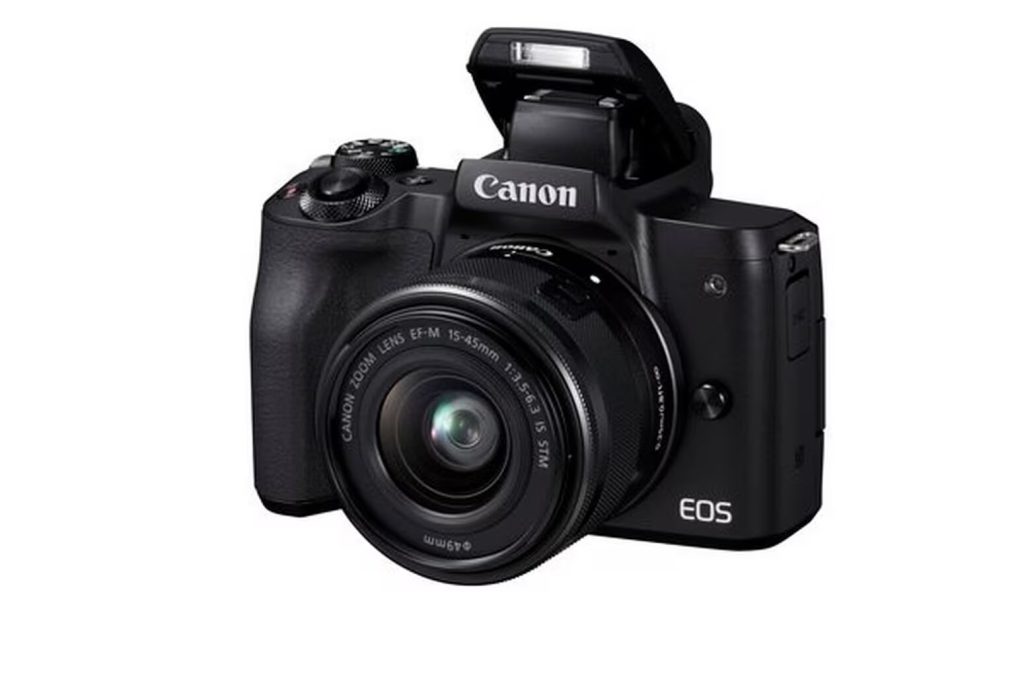
Canon M50 specs (practical spec sheet)
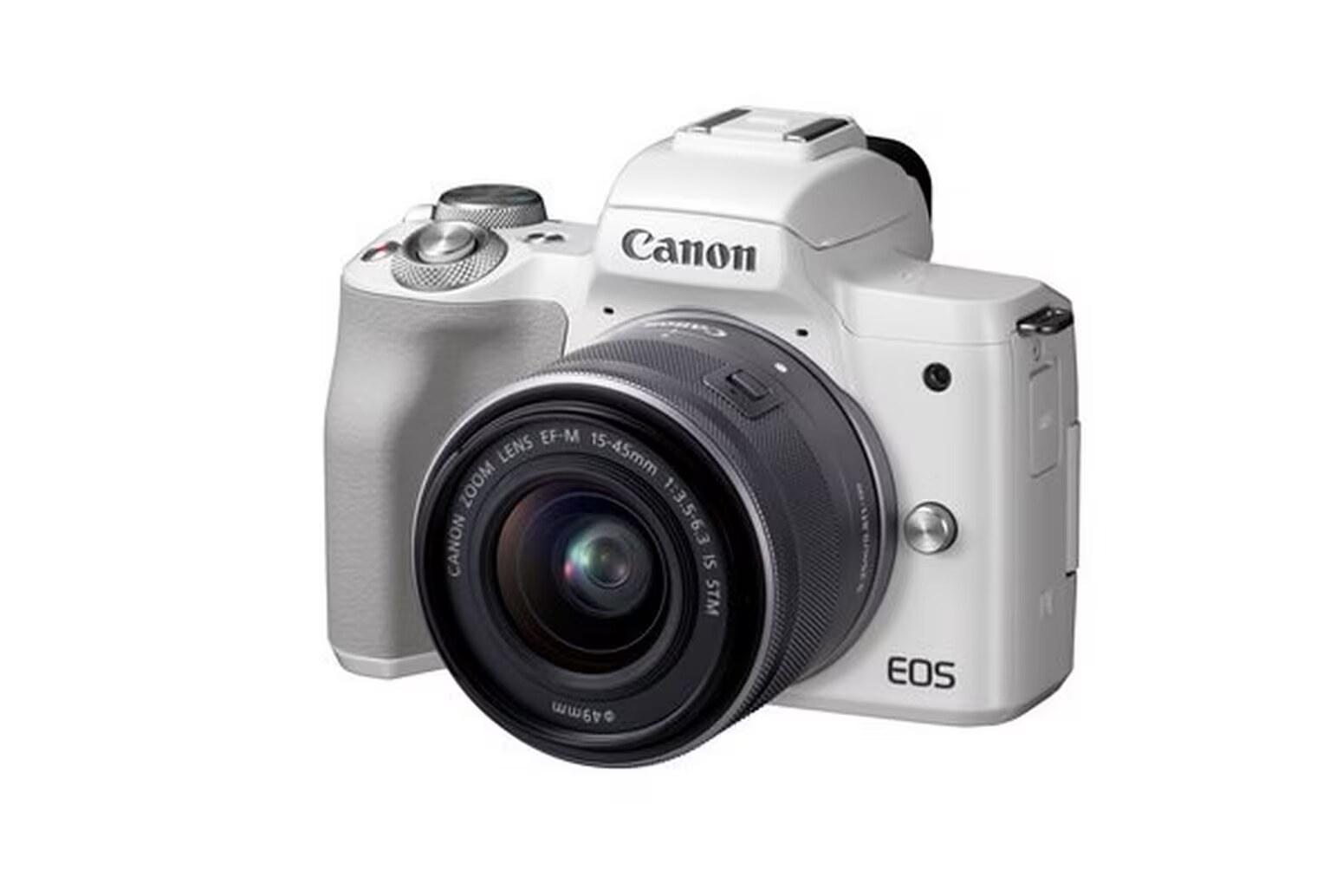
This is a practical spec sheet for the Canon EOS M50 (Mark I): the numbers that matter in real use, plus storage and SD card guidance based on Canon’s stated UHS‑I support.
Canon M50 Guide: See all Canon EOS M50 setup + gear answers in one place.
Table of contents
Core camera specs
- Sensor: APS‑C CMOS (approx. 22.3 × 14.9 mm)
- Effective resolution: approx. 24.1 MP (total pixels approx. 25.8 MP)
- Processor: DIGIC 8
- Lens mount: EF‑M
- Built-in flash: pop-up flash
- Stills formats: JPEG / RAW / C‑RAW
- Video container: MP4
Source: Canon official spec sheet/product pages + user manual (as provided by Brad).
Lens compatibility (what actually matters)
- Native lenses: Canon EF‑M
- Adapter option: EF and EF‑S lenses via Canon EF‑EOS M adapter (big upside if you already own DSLR glass)
Image sizes and file formats
- Large (3:2): 6000 × 4000
- Medium: 3984 × 2656
- Small 1: 2976 × 1984
- Small 2: 2400 × 1600
RAW and C‑RAW are captured at full resolution. The camera supports 16:9, 4:3, and 1:1 ratios.
ISO and exposure
- Still ISO: ISO 100–25600 (expandable to 51200)
- Exposure compensation: ±3 EV
- AEB: ±3 EV
- Metering: evaluative / partial / spot / center-weighted average
Autofocus
- AF system: Dual Pixel CMOS AF (many stills/video situations), with face/tracking support
- Low-light AF: Canon Europe lists working range down to EV −2
Viewfinder and screen
- EVF: 2.36M-dot electronic viewfinder
- Rear screen: 3.0″ fully articulating touchscreen (~1.04M dots)
Burst shooting
- Up to 10 fps with One‑Shot AF
- ~7.4 fps with Servo AF
Shutter and flash
- Shutter: 30s to 1/4000 (Bulb available)
- Built-in flash: GN ~5 m at ISO 100 (useful for close fill; not a replacement for a real Speedlite)
Video headline specs
- 4K UHD: up to 24p
- Full HD: up to 60p
- HD: up to 120p
Note: the M50’s 4K mode is more limited than its 1080p modes; for most people, 1080p is the safer default for reliable autofocus and general usability.
Storage and card compatibility
- Card types: SD / SDHC / SDXC
- UHS support: Canon states UHS‑I supported
Recommended SD cards (standardized)
General stills + casual video
- Buy: UHS‑I U3 / V30 SDXC, ideally 64GB or 128GB
- Why: the camera supports UHS‑I (so UHS‑II premium is mostly wasted)
- Notes: 128GB is the safer pick for longer video sessions
Battery and battery life
- Battery: LP‑E12
- CIPA estimates (Canon): ~235 shots (EVF) / ~370 shots (LCD)
For video, Wi‑Fi transfers, and frequent AF use, expect shorter real-world endurance—carry a spare battery.
Connectivity and ports
- Wi‑Fi + Bluetooth
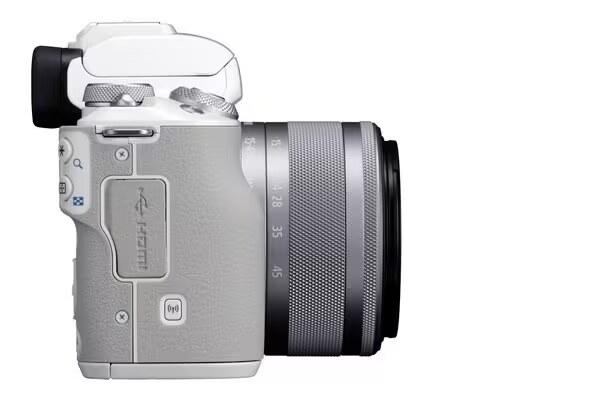
- micro HDMI
- micro USB
- 3.5mm microphone input
- No headphone jack (you can plug in a mic, but can’t monitor audio from the camera)
Physical size and weight
- Dimensions: approx. 116.3 × 88.1 × 58.7 mm
- Weight: approx. 387 g with battery/card (CIPA) / ~350 g body only
Bottom line
The EOS M50 Mark I is a small, capable Canon mirrorless body for travel, family, beginner photography, and 1080p-first video. Its main limits are the EF‑M mount’s long-term roadmap, modest battery life, single UHS‑I storage, and a less compelling 4K mode. For stills and straightforward video, it remains very usable.
More Canon M50 help: Back to the Canon M50 Guide
